A Homeowner’s Field Guide to Choosing and Managing an HVAC Pro
Start by scoping your goals before you call any contractor. Decide whether you’re solving a comfort problem, reducing energy use, or tackling aging equipment. Document symptoms such as hot rooms, short cycling, or unusual sounds, and note filter changes and past service dates. Clear goals help vendors align recommendations with what you actually need, rather than pushing generalized fixes or premature replacements.
Next, assess the home’s envelope and airflow, not just the outdoor unit. Ask how the contractor will verify supply and return balance, static pressure, and temperature split. In practice, a technician who benchmarks your current performance can identify whether issues stem from ductwork, controls, or equipment settings. That insight narrows the scope and prevents unnecessary system swaps when a targeted adjustment would suffice.
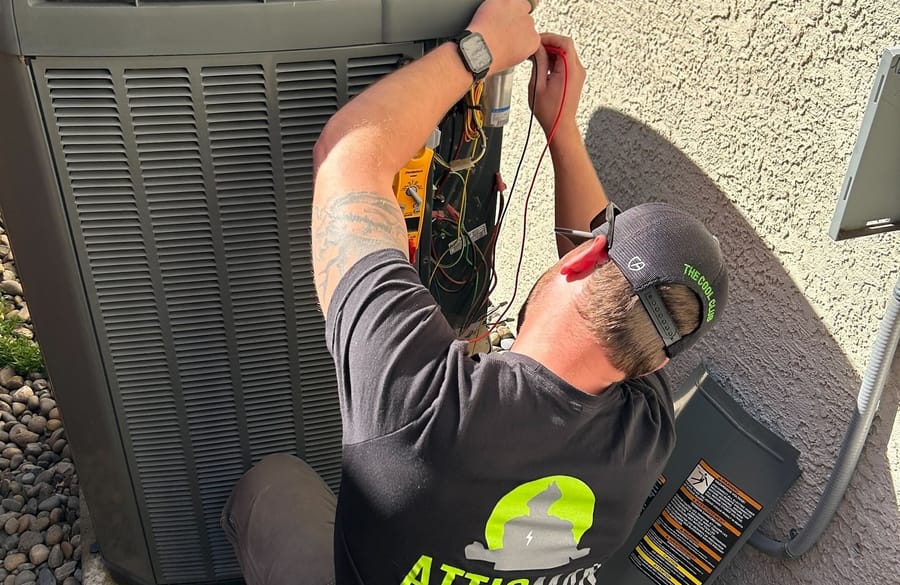
Meanwhile, request a written plan that sequences diagnostics before proposals. A good workflow might start with safety checks, move to performance tests, then outline repair or upgrade paths. Insist that findings be documented with photos or measurements. Transparent steps let you compare approaches across companies and validate that recommendations match the problems discovered, not assumptions made over the phone.
Often, homeowners overlook the value of maintenance as a planning tool. Routine AC maintenance can reveal looming failures and give you time to budget. Ask for a service schedule tied to the equipment’s age and local climate. Then, refine it based on usage patterns, filter type, and indoor air quality needs. Preventive visits keep small inefficiencies from compounding into comfort complaints or untimely downtime.
Beyond that, explore right-sizing when considering AC installation or furnace changes. Load calculations and duct sizing should be validated against actual conditions, not rule-of-thumb tonnage. Oversized systems can short cycle and under-dehumidify, while undersized systems strain and wear prematurely. Calibrate expectations by reviewing how proposed capacities align with insulation levels, window exposure, and room-by-room airflow.
However, don’t ignore the hidden backbone: ductwork and sealing. Leaks, kinks, and poor returns sap performance even from new equipment. Ask how the contractor will test and improve distribution, and whether insulation services are part of the conversation. Small corrections to airflow can boost comfort more than a major equipment change, particularly in bonus rooms, additions, and upper floors that struggle seasonally.
Then, weigh system types with an eye on flexibility. Heat pumps and Mini splits can offer zoning benefits and shoulder-season efficiency when properly designed. Water heater repair, when tied into whole-home energy planning, may also affect your electrical capacity and scheduling. A thoughtful contractor will stage upgrades to avoid panel surprises, timeline crunches, and rework when you phase projects over a few years.
After shortlisting providers, verify communication and handoff practices. Seek clarity on response times, parts availability, and how progress will be reported. Sequence expectations for emergency AC repair versus planned retrofit days. Ask who attends final walkthroughs, which owner’s documents you’ll receive, and how to reach support after installation. Clean, consistent communication reduces stress when weather is extreme and decisions feel urgent.
Finally, manage your budget by building buffers for contingencies. Hidden duct issues, attic access constraints, or code updates can add time and materials. Request options at different price tiers with the same diagnostic baseline, so you can compare value rather than just totals. A balanced plan favors fixing root causes first, then phasing enhancements that extend equipment life and smooth out utility and comfort over the long term.
Ultimately, partner with a contractor who teaches as they work. When a technician explains how your system operates and why a repair matters, you gain the confidence to choose between paths without pressure. Over time, that shared understanding supports better upkeep, fewer surprises, and a home that stays comfortable through seasonal swings with practical, right-sized HVAC Services.